

To measure a client's calf girth, follow these steps:
1. Ask the client to remove any bulky clothing and to stand up straight with their feet shoulder-width apart.
2. Locate the widest part of the client's calf muscle, which is typically around the midpoint of the lower leg.
3. Place the tape measure...

To measure a client's knee girth, follow these steps:
1. Ask the client to remove any bulky clothing and to sit on a chair with their feet flat on the ground and their knees bent at a 90-degree angle.
2. Locate the midpoint of the client's knee joint, which is the bony part of the knee that protrude...
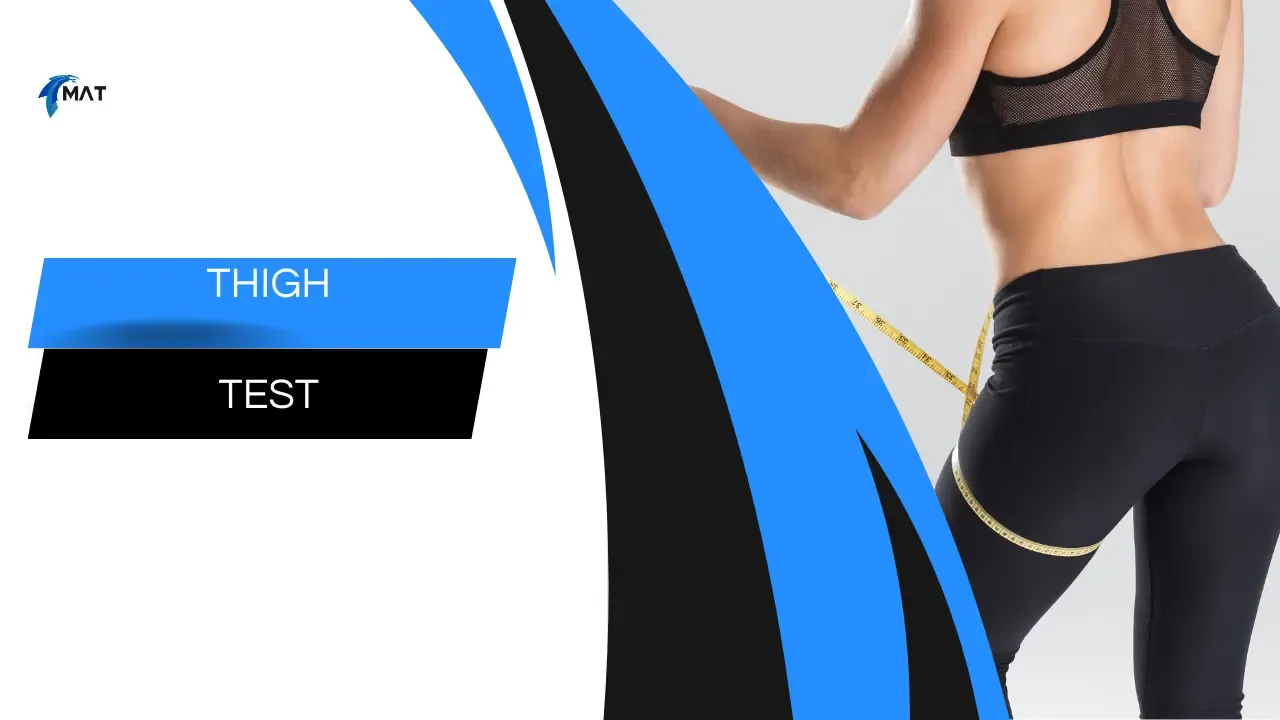
To measure a client's thigh girth, follow these steps:
1. Ask the client to remove any bulky clothing and to stand up straight with their feet shoulder-width apart.
2. Locate the midpoint of the client's thigh, which is typically halfway between the hip and knee.
3. Place the tape measure or string a...
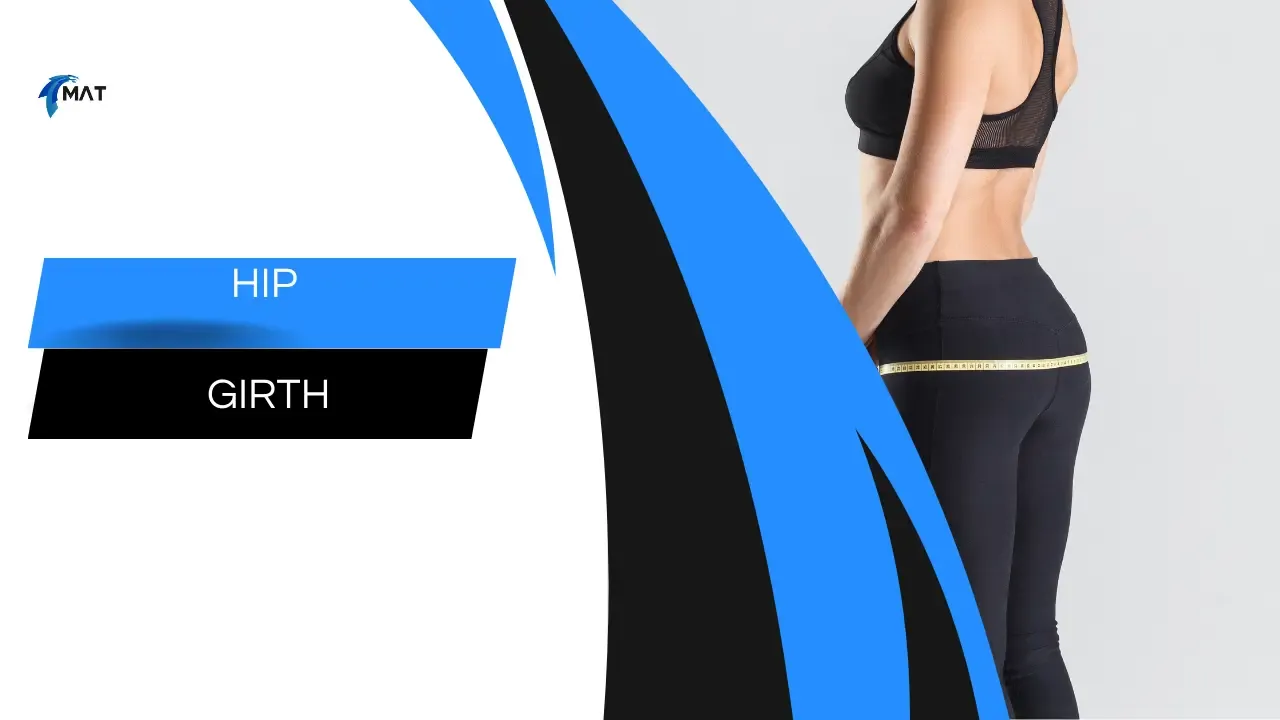
To measure a client's hip girth, follow these steps:
1. Ask the client to remove any bulky clothing and to stand up straight with their feet together.
2. Locate the widest part of the client's hips, which is typically around the buttocks.
3. Place the tape measure or string around the client's hips, ...

To measure a client's waist girth, follow these steps:
1. Ask the client to remove any bulky clothing and to stand up straight with their arms at their sides.
2. Locate the client's natural waistline, which is typically the narrowest part of the waist.
3. Place the tape measure or string around the c...

To measure a client's chest girth, follow these steps:
1. Ask the client to remove any bulky clothing and to stand up straight with their arms at their sides.
2. Locate the bottom of the client's ribcage, which is the lowest point of the chest.
3. Place the tape measure or string just below the botto...

To measure a client's upper arm girth, follow these steps:
1. Ask the client to remove any bulky clothing and to stand with their arm extended out to the side and their palm facing forward.
2. Locate the bony prominence on the side of the client's shoulder, called the acromion process.
3. Place the t...

To measure wrist girth, follow these steps:
1. Use a flexible tape measure or a piece of string that can be measured afterward.
2. Hold your arm out in front of you with your palm facing up.
3. Use your other hand to locate the bony prominence on the side of your wrist, called the styloid process.
4. ...

Body Mass Index, commonly called BMI, is a simple calculation that compares body weight with height. It is widely used in health, fitness, workplace, rehabilitation, sport and population health settings because it is quick, low-cost and easy to calculate.
BMI can provide a general indication of bod...

Height, also called standing stature, is one of the most common anthropometric measurements. It records the vertical distance from the floor to the top of the head when a person is standing upright in a standardised position.
Height is often used in health, fitness, sport, workplace, rehabilitation...

Body weight is one of the most common anthropometric measurements. It records the total mass of the body at a specific point in time and is often used as part of fitness, health, workplace, rehabilitation, sport and performance assessments.
Weight is simple to measure, but it can change for many re...
A client may sprint well in a straight line but lose time when asked to brake, turn and accelerate again. The 505 Agility Test focuses on this 180-degree change-of-direction demand.
It is especially useful when left and right turning sides are recorded separately.
Quick Summary
Test name: 505 Agi...


