
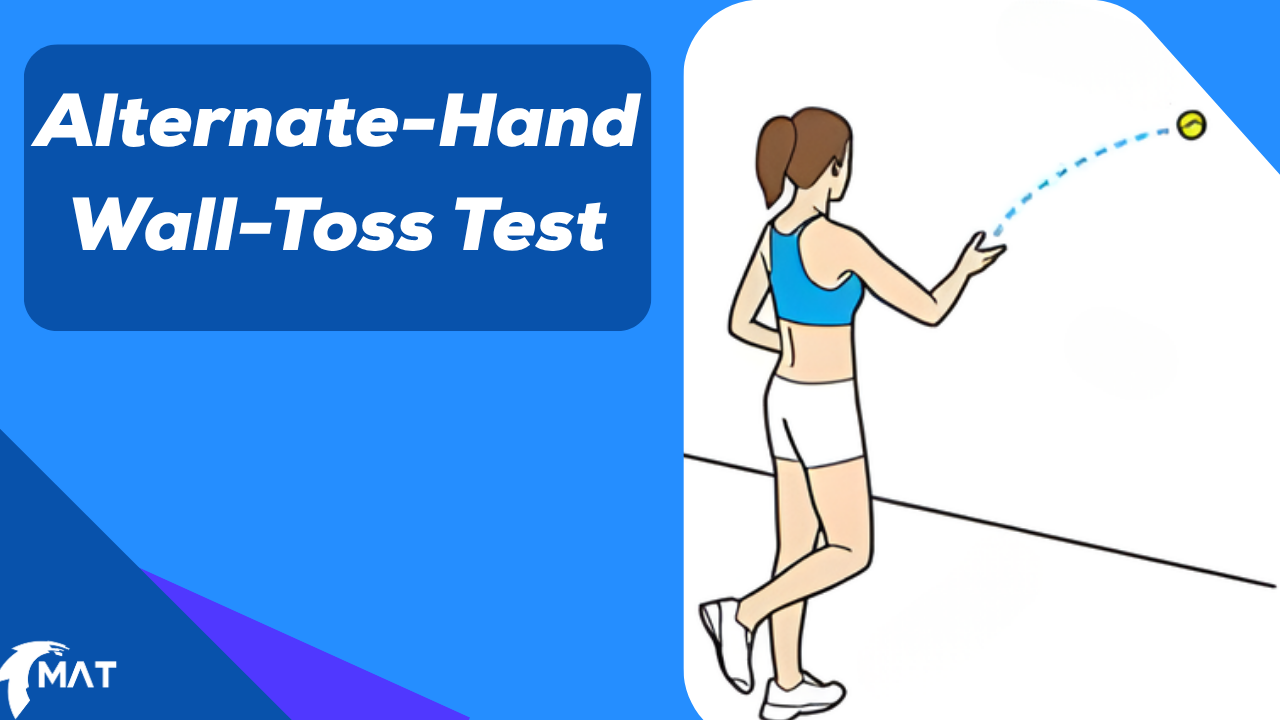
The Alternate-Hand Wall-Toss Test is a simple field test used to assess hand-eye coordination, visual tracking, bilateral coordination and upper-limb motor control. The client throws a ball against a wall with one hand and catches it with the opposite hand, repeating for a set time period, commonly ...
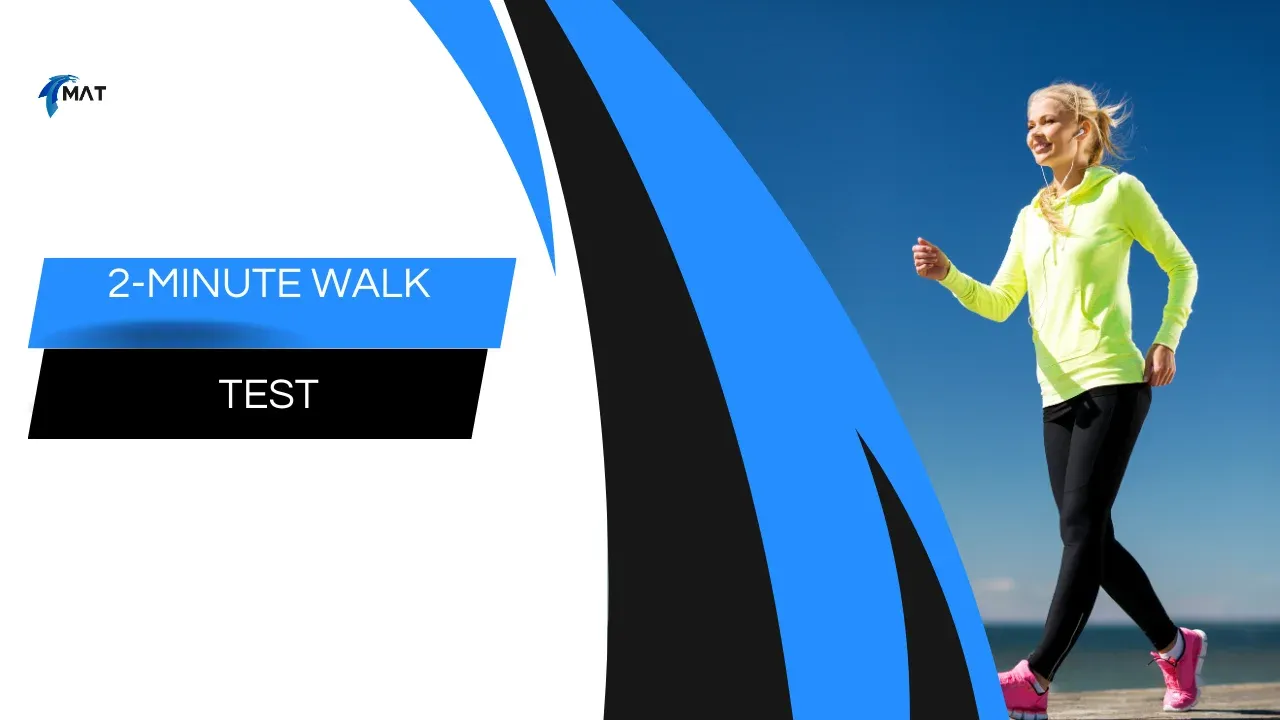
A client has limited space, poor weather makes outdoor testing difficult, and a running test is not appropriate.
The 2-Minute Step-in-Place Test provides a simple alternative that can be performed in a small area while still challenging functional endurance.
It is practical, quick and easy to repe...

Hip Pain That Keeps Coming Back? FAIS May Be Part of the Picture
Deep groin pain. A pinching feeling at the front of the hip. Reduced hip rotation. Difficulty squatting, running, pivoting, or sitting for long periods.
These signs may be associated with Femoroacetabular Impingement Syndrome, common...
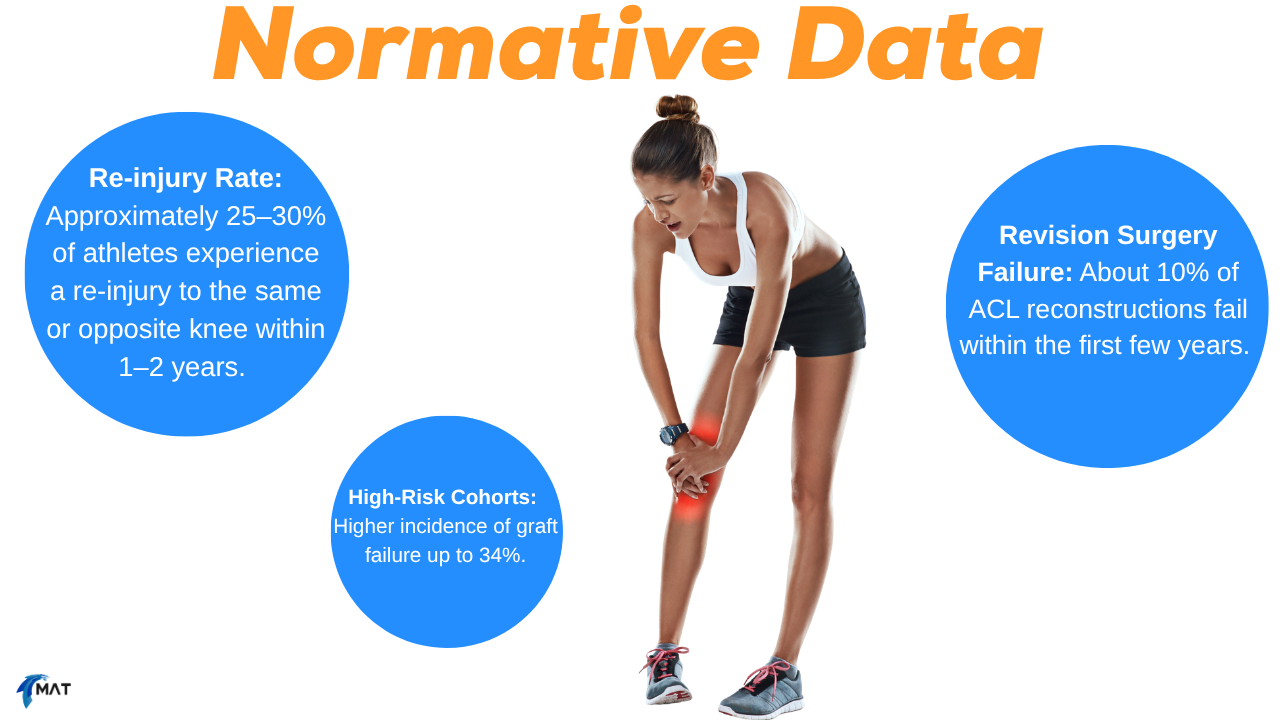
An ACL injury is rarely just a one-time event.
For many athletes, the first reconstruction is only part of the story. The bigger concern is what happens after return to sport — because that is when the risk of a second ACL injury often becomes very real.
Despite improvements in surgery and rehabil...
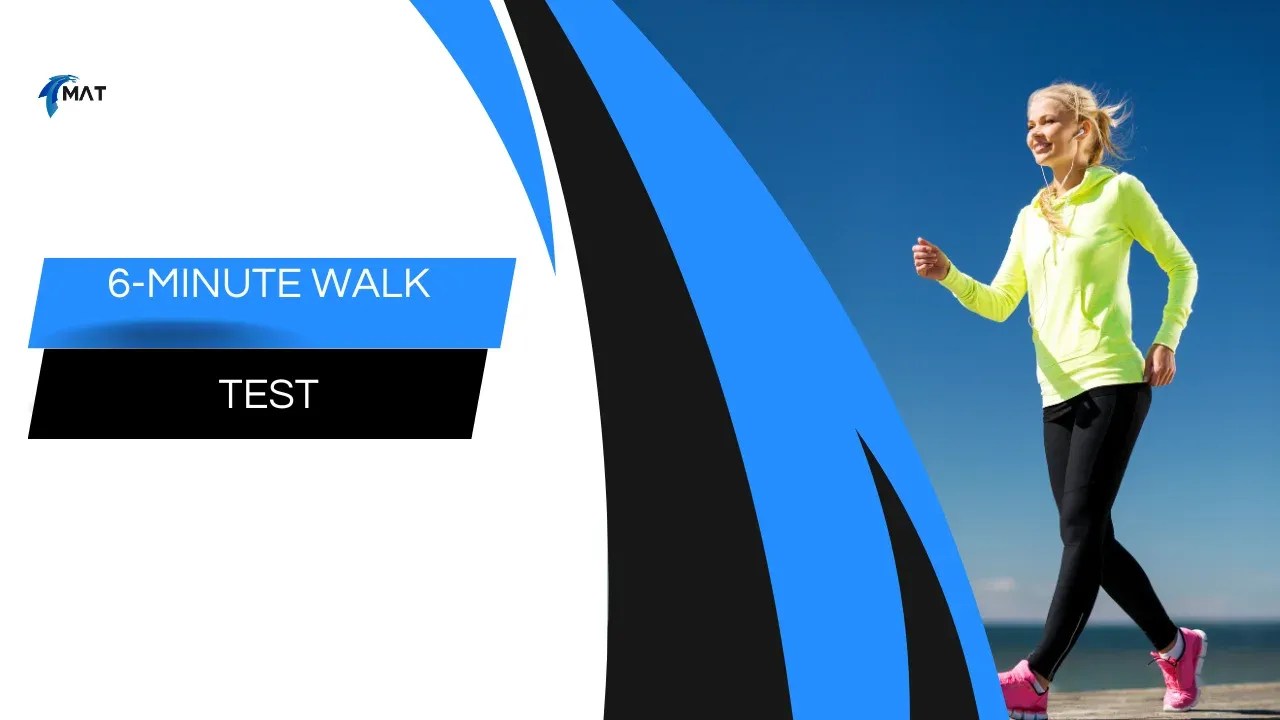
A client recovering from illness, surgery or a long period of inactivity may not be ready for a maximal running test.
Instead, a six-minute walk can provide practical information about functional endurance, pacing and tolerance to sustained activity.
The result is easy to understand: how far the c...

A lateral ankle sprain is often treated like a short-term problem.
Pain settles. Swelling improves. Activity resumes.
But that is not always the end of the story.
Re-injury after a lateral ankle sprain is common, and a meaningful proportion of people go on to develop chronic ankle instability (CA...

ACL surgery is no longer a one-option conversation.
For most active individuals, ACL reconstruction remains the standard approach. But in selected cases — particularly acute proximal tears with good tissue quality — ACL repair is being revisited as a possible option. The key is understanding where ...

When assessing lower-limb function, attention often goes to the ankle, knee, or hip.
The big toe (1st MTP joint) is easy to overlook.
But it shouldn’t be.
This small joint plays a critical role in how we walk, run, stabilise, and generate force. When it’s functioning well, movement feels efficien...

Lateral epicondylitis — often referred to as tennis elbow — is a common overuse presentation involving the tendinous structures on the outer elbow. For practitioners working in sport, fitness, or musculoskeletal settings, Cozen’s Test remains a quick and practical way to screen for lateral elbow sen...

The Star Excursion Balance Test (SEBT) is a well-established dynamic balance assessment used to evaluate ankle control during single-leg stance. The test challenges the lower limb in three primary directions:
- Anterior (SEBT-A)
- Posteromedial (SEBT-PM)
- Posterolateral (SEBT-PL)
Because it requi...

Ankle dorsiflexion is a foundational component of lower-limb movement. Adequate motion at the ankle is required for squatting, running, jumping, and efficient change of direction. When dorsiflexion is limited, compensatory strategies often emerge at the knee, hip, or foot.
To interpret ankle mobili...

Calf endurance plays a critical role in walking efficiency, balance, athletic performance, and injury resilience. Despite this, it is often under-assessed. One of the simplest and most effective ways to evaluate it is the single-leg calf raise test.
This test is quick, requires no equipment, and pr...


