
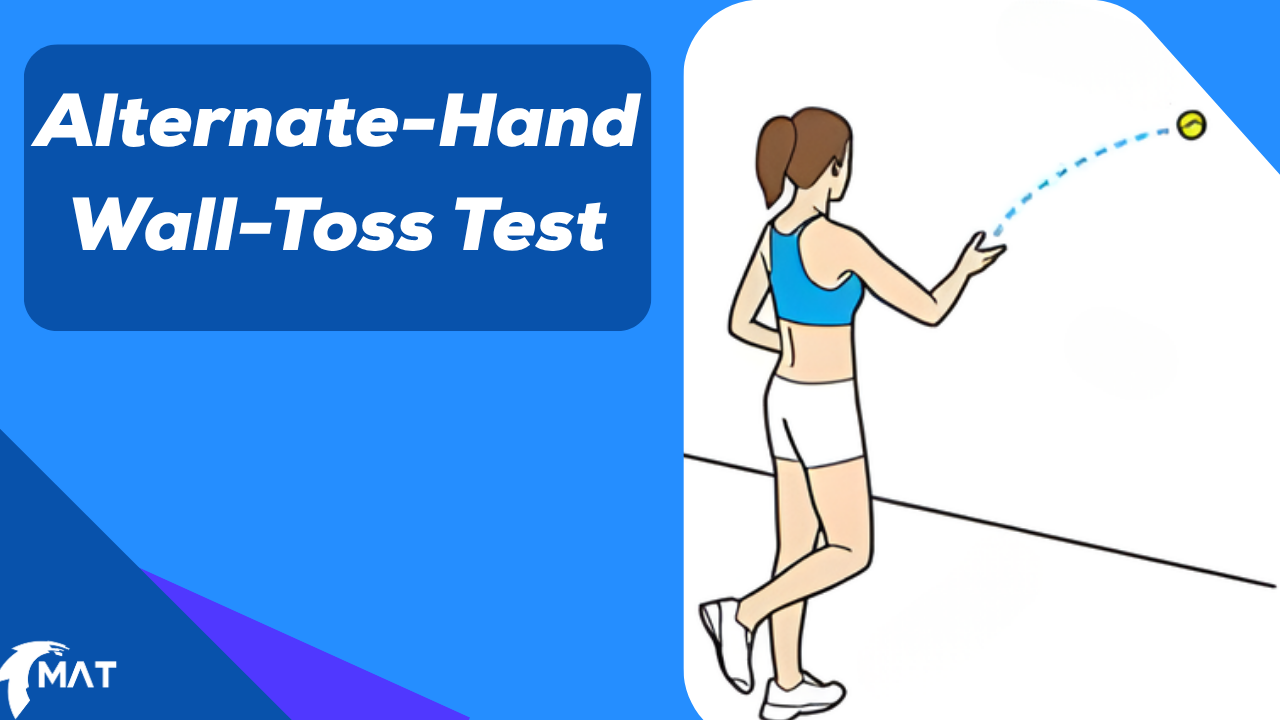
The Alternate-Hand Wall-Toss Test is a simple field test used to assess hand-eye coordination, visual tracking, bilateral coordination and upper-limb motor control. The client throws a ball against a wall with one hand and catches it with the opposite hand, repeating for a set time period, commonly ...
A client may sprint well in a straight line but lose time when asked to brake, turn and accelerate again. The 505 Agility Test focuses on this 180-degree change-of-direction demand.
It is especially useful when left and right turning sides are recorded separately.
Quick Summary
Test name: 505 Agi...
The Illinois Agility Test is popular because it uses simple equipment and includes multiple movement demands: acceleration, turning, weaving and repeated changes of direction.
It is useful for monitoring planned multidirectional movement, but it should not be described as a pure reactive agility te...
Many sports require athletes to accelerate, stop, shuffle, redirect and retreat. The Agility T-Test combines these actions into a simple, repeatable field test.
It is best understood as a planned change-of-direction test, not a reactive agility test.
Quick Summary
Test name: Agility T-Test
Purpos...
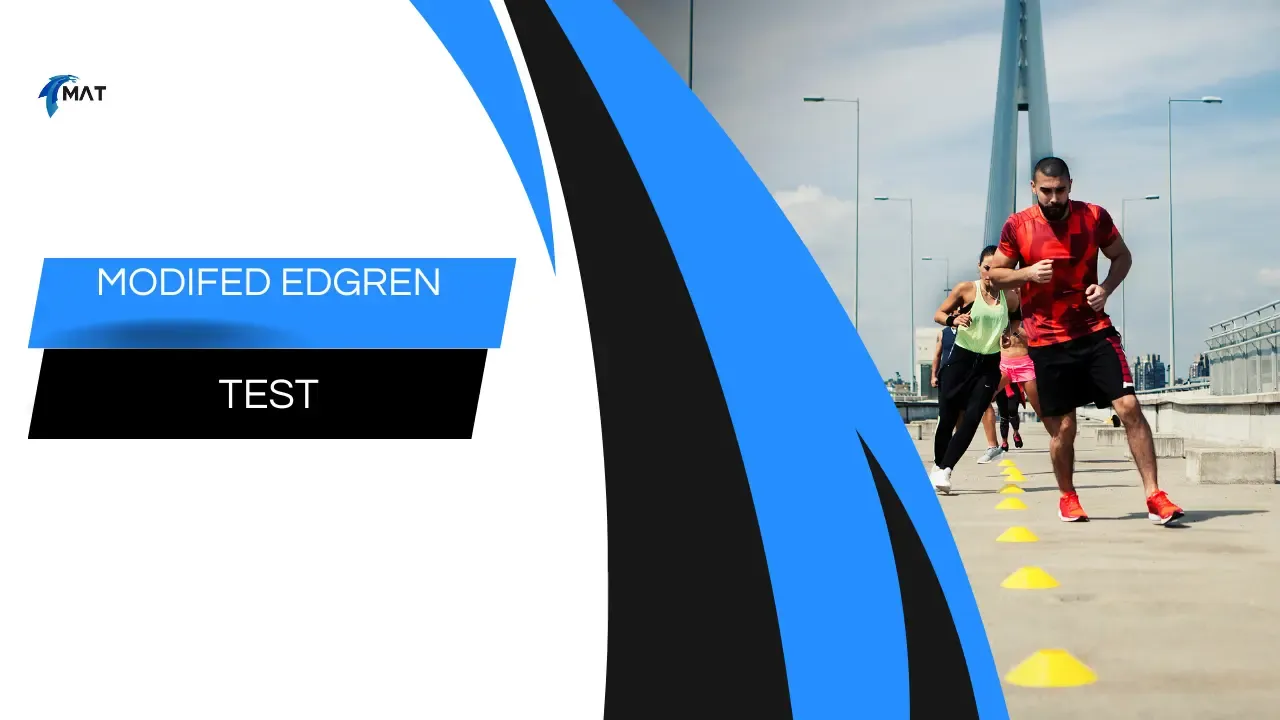
Lateral movement is essential in sports such as basketball, football, soccer, netball and tennis. The Modified Edgren Side Step Test gives professionals a simple field-based way to assess how a client side-steps, crosses over, changes direction and maintains control under time pressure.
It should b...
A client may sprint forward confidently but look slow, stiff or uncoordinated when asked to move sideways. This matters in field and court sports where athletes need to shuffle, defend, reposition and change direction quickly.
The Edgren Side Step Test gives professionals a simple way to assess lat...


