
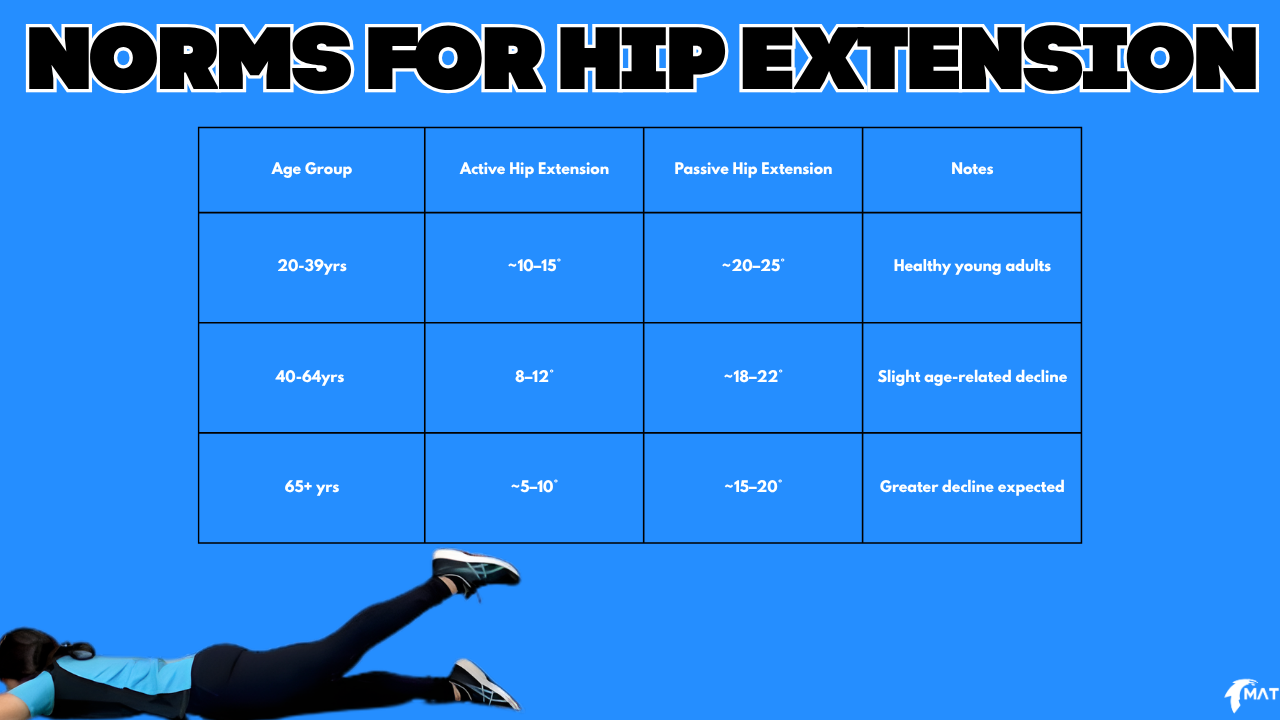
Why Hip Extension Matters
Hip extension is one of those movements that often gets overlooked — until it becomes a problem.
It plays an important role in walking, running, squatting, deadlifting, lunging and changing direction. It also influences how the pelvis and lumbar spine move during everyday...
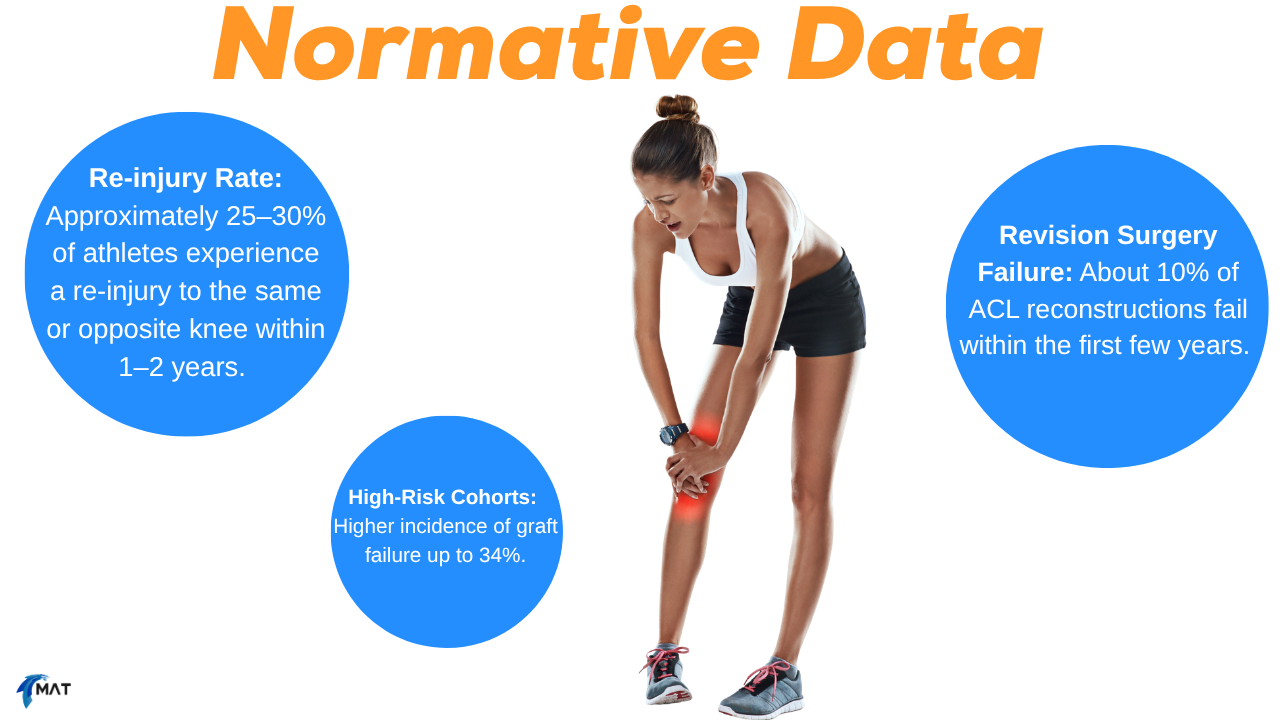
An ACL injury is rarely just a one-time event.
For many athletes, the first reconstruction is only part of the story. The bigger concern is what happens after return to sport — because that is when the risk of a second ACL injury often becomes very real.
Despite improvements in surgery and rehabil...

A lateral ankle sprain is often treated like a short-term problem.
Pain settles. Swelling improves. Activity resumes.
But that is not always the end of the story.
Re-injury after a lateral ankle sprain is common, and a meaningful proportion of people go on to develop chronic ankle instability (CA...

When assessing lower-limb function, attention often goes to the ankle, knee, or hip.
The big toe (1st MTP joint) is easy to overlook.
But it shouldn’t be.
This small joint plays a critical role in how we walk, run, stabilise, and generate force. When it’s functioning well, movement feels efficien...

Ankle dorsiflexion is a foundational component of lower-limb movement. Adequate motion at the ankle is required for squatting, running, jumping, and efficient change of direction. When dorsiflexion is limited, compensatory strategies often emerge at the knee, hip, or foot.
To interpret ankle mobili...

Calf endurance plays a critical role in walking efficiency, balance, athletic performance, and injury resilience. Despite this, it is often under-assessed. One of the simplest and most effective ways to evaluate it is the single-leg calf raise test.
This test is quick, requires no equipment, and pr...
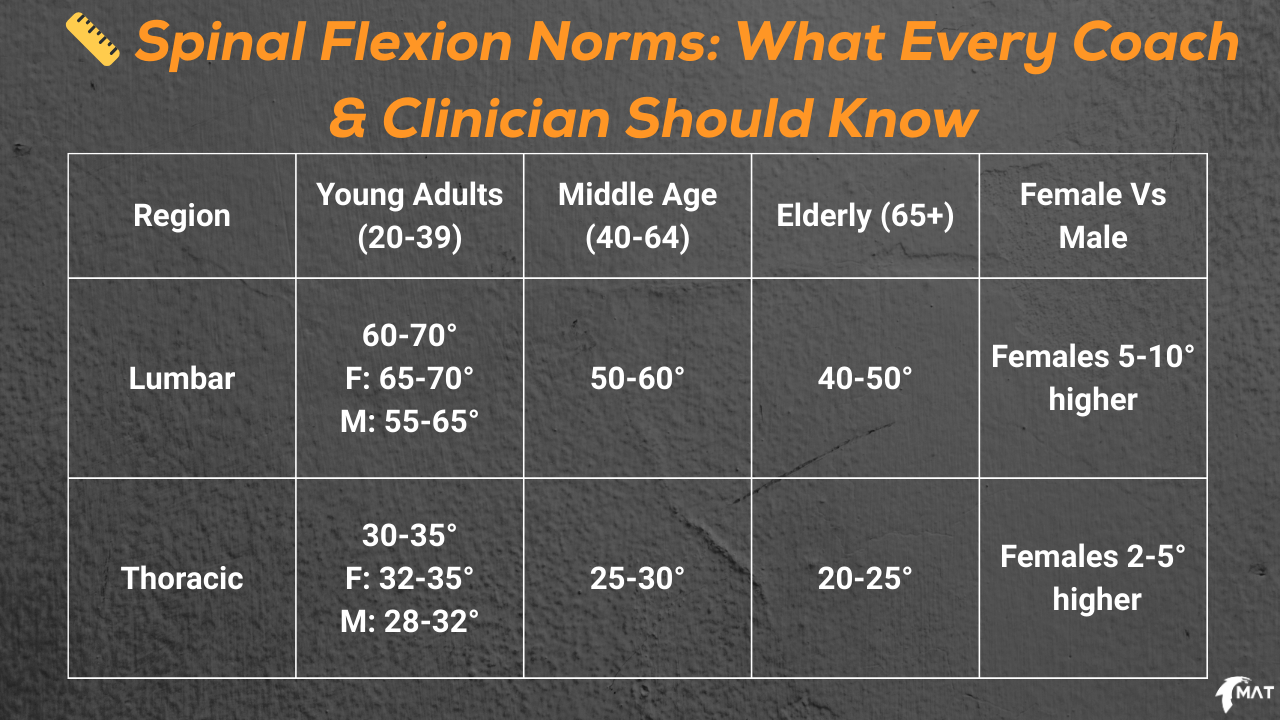
Most practitioners agree that spinal mobility is important. The harder question is how much mobility is actually normal — and how to interpret deviations without over- or under-reacting.
Normative spinal flexion data provides essential context, allowing mobility findings to be compared against expe...
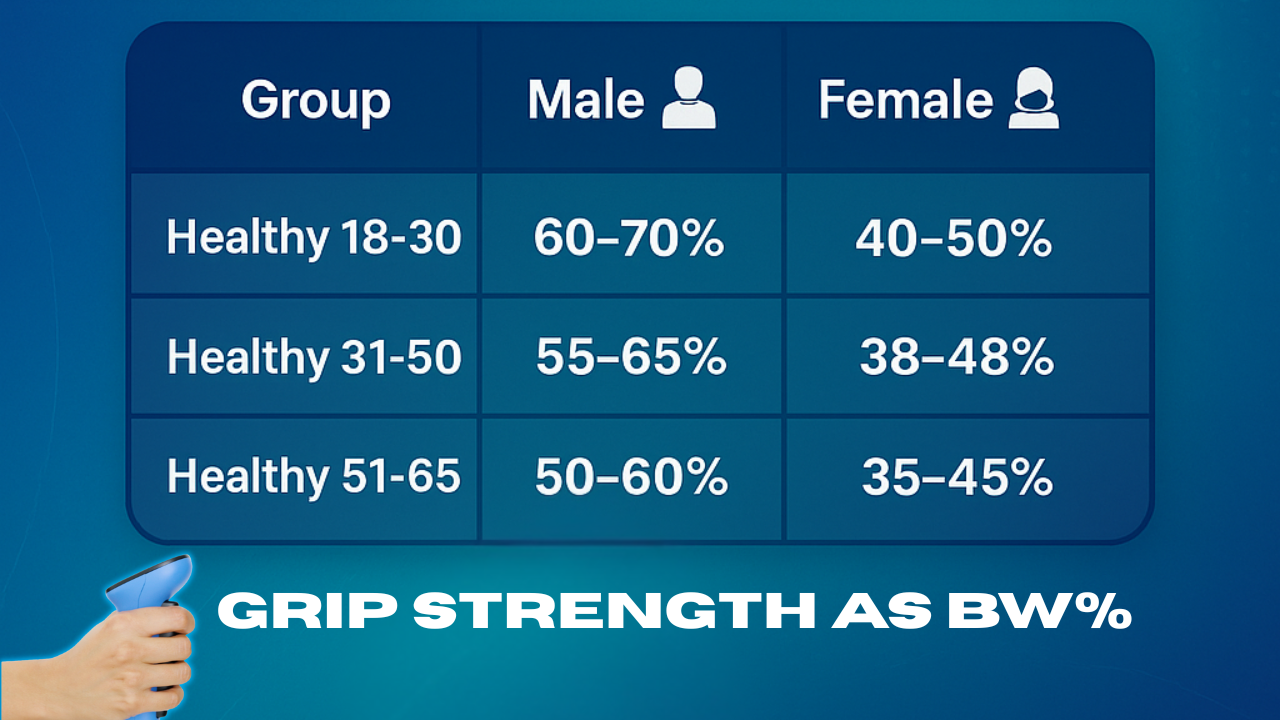
Grip strength is often thought of as a simple measure of hand or forearm strength. In reality, it is one of the most robust and widely studied indicators of overall health, functional capacity, and long-term outcomes across the lifespan.
Rather than relying on absolute grip strength alone, recent r...
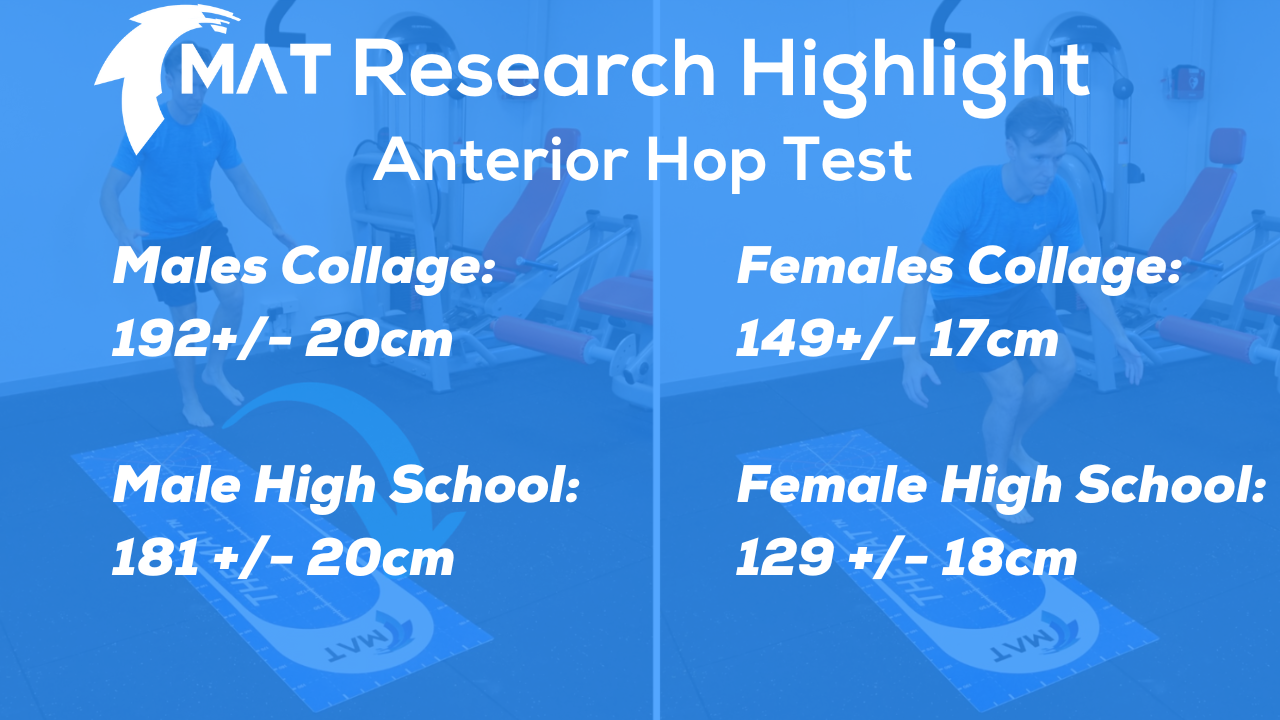
The Anterior Hop Test is widely used to assess single-leg horizontal power, control, and confidence. While distance alone is useful, its real value comes from comparing performance against normative reference data rather than relying on symmetry or change alone.
Recent work by Weber et al. (2024) p...
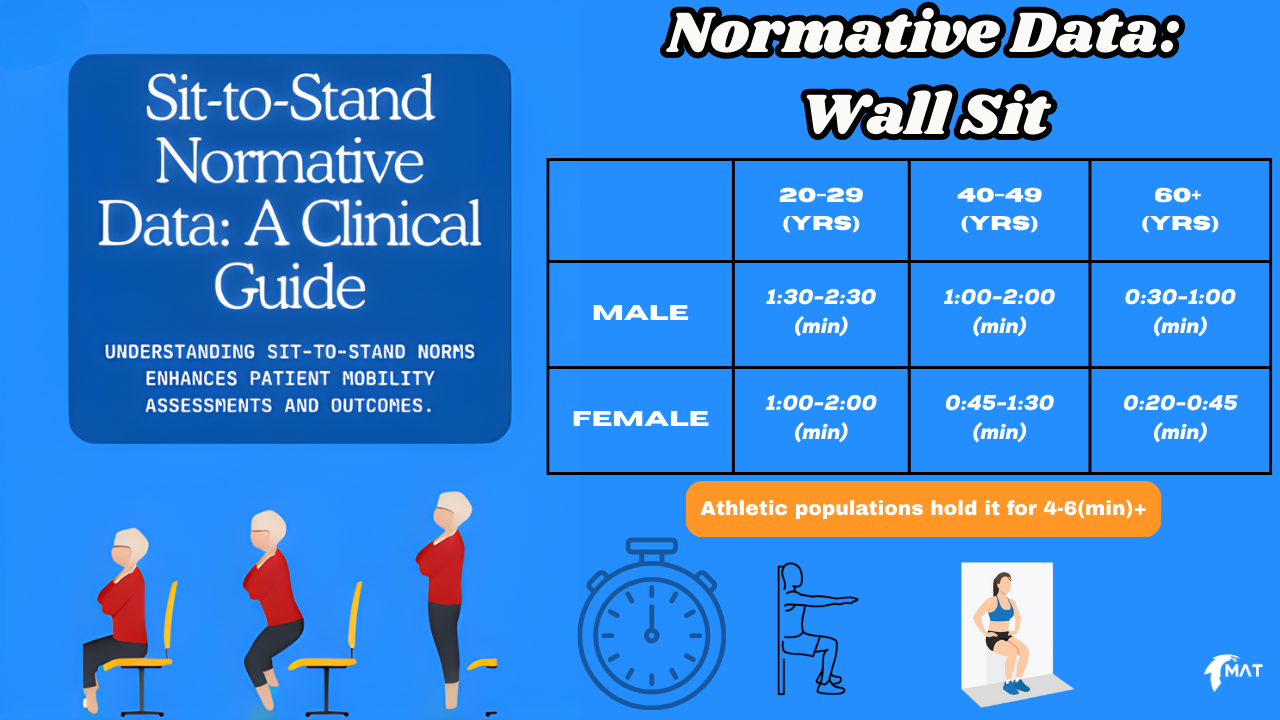
Lower-limb function underpins independence, work capacity, and athletic performance. While isolated strength tests provide useful data, they often fail to reflect real-world movement demands.
Two of the most validated, time-efficient, and underused assessments in lower-body evaluation are:
-
The
...


