
ACL Injury Recurrence: What the Evidence Shows
Apr 14, 2026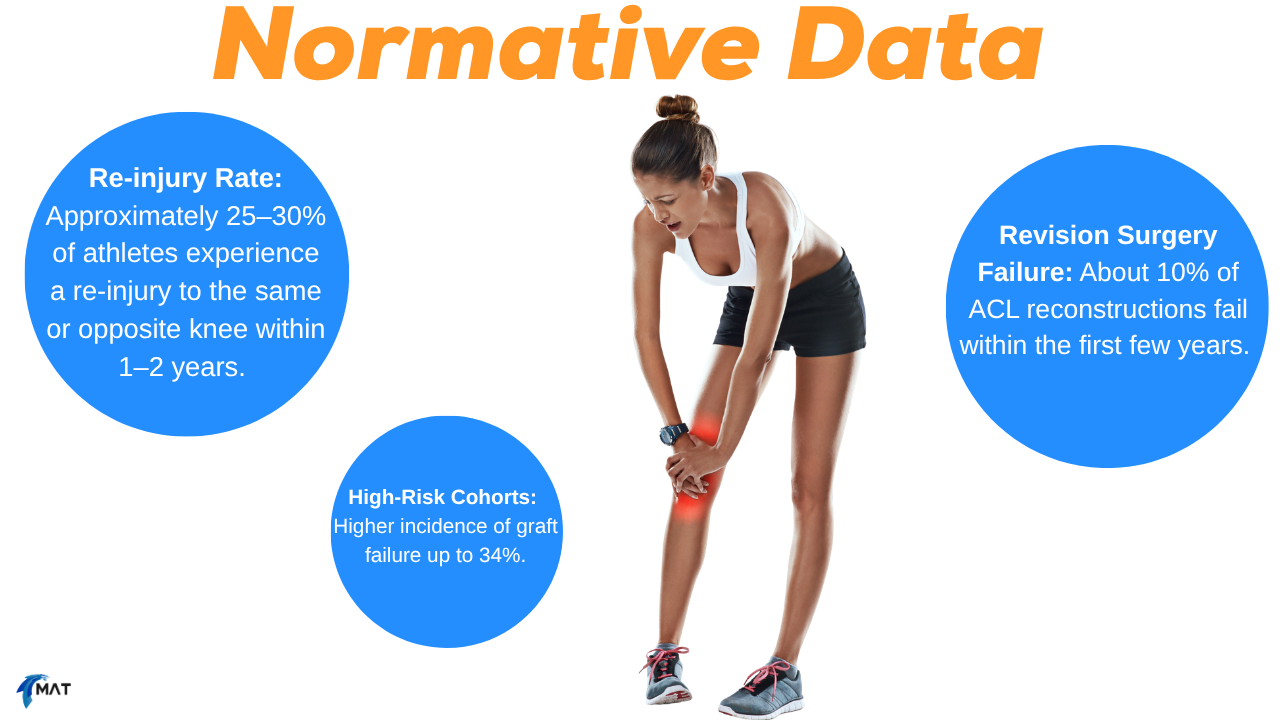
An ACL injury is rarely just a one-time event.
For many athletes, the first reconstruction is only part of the story. The bigger concern is what happens after return to sport — because that is when the risk of a second ACL injury often becomes very real.
Despite improvements in surgery and rehabilitation, re-injury rates remain high, especially in younger athletes and those returning to pivoting or cutting sports. That is why post-ACL rehab should not be judged by time alone. The goal is not simply getting back to activity. It is reducing the likelihood of doing it all again.
Why Recurrence Matters
ACL recurrence matters because it changes the long-term outlook.
A second ACL injury can mean more time away from sport, more disruption to training, and a more complex rehabilitation process. It also raises questions about strength, movement quality, decision-making under fatigue, and whether return-to-sport criteria were truly met.
This is particularly important in younger and high-risk sporting populations, where the second-injury burden is consistently higher than many people expect.
What the Research Shows
The current literature paints a fairly consistent picture.
-
Across young athletic populations, around 20% to 30% of athletes may sustain a second ACL injury after reconstruction and return to sport.
-
In one cohort study of younger athletes, the subsequent ACL injury rate was 31% to 33%, even when return to competitive sport was delayed beyond 12 months in many cases.
-
In high-risk groups, especially younger athletes returning to knee-strenuous sport, reported second-injury rates can rise further, with some reviews citing figures up to 40% in athletes under 20.
-
Registry and review data suggest that primary ACL reconstruction failure rates are generally lower than 10%, with some pooled estimates around 3% to 7% depending on follow-up length and population. That means the larger second-injury issue is often not just graft failure, but also injury to the opposite knee.
That distinction matters. When people talk about “ACL recurrence,” they are often combining graft rupture and contralateral ACL injury into one broader second-injury problem. From a rehab perspective, both matter.
What This Means in Practice
If you are working with a client after ACL reconstruction, symptom resolution is not enough.
Neither is being “X months post-op.”
High recurrence rates reinforce the need for rehabilitation that goes beyond basic milestones and includes:
-
strength
-
proprioception and balance
-
movement quality
-
sport-specific capacity
-
graduated return-to-sport exposure
The evidence also shows that simply delaying return to sport does not guarantee protection if underlying deficits remain. In one study, athletes who delayed return still showed very high second-injury rates, which suggests that quality of recovery matters as much as timing.
The Practical Takeaway
ACL rehabilitation should be built around reducing second-injury risk, not just achieving short-term clearance.
That means restoring:
-
enough strength to tolerate load
-
enough neuromuscular control to handle unpredictable demands
-
enough confidence and function to return without unnecessary compensation
The bigger message is simple: return to sport is not the finish line. It is one of the highest-risk periods in the entire recovery process.
Reference
-
Della Villa, F., et al. (2021). High rate of second ACL injury following ACL reconstruction in male professional footballers: An updated longitudinal analysis. British Journal of Sports Medicine.
-
Webster, K. E., & Hewett, T. E. (2021). Second ACL injury rates in younger athletes who were advised to delay return to sport. The American Journal of Sports Medicine.
-
Gokeler, A., et al. (2022). Rehabilitation and return to sport testing after ACL reconstruction. Journal of Orthopaedic Research / Sports Medicine review literature.
Download Our Measurz App For FREE And Perform, Record and Track 800+ Tests With Your Clients Today.
Want To Improve Your Assessment?
Not Sure If The MAT Data-Driven Approach Is Right For You?
Get a taste of our MAT Course and data-driven approach using the MAT with a FREE module from our online MAT Course.
We hate SPAM. We will never sell your information, for any reason.


